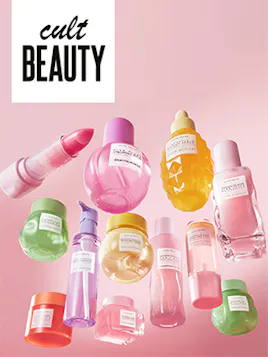
Get the know-how on using vitamins to boost skin health this winter.
We all know we should be taking our multi-vits – but what about applying them topically? Vitamins in skincare can often flummox beauty buyers, not least because they can come under a confusing list of names and all do very different jobs to boost the health of our skin.
So, from wrinkle zapping Vitamin A (aka Retinol), to protecting and nourishing vitamin E, we have the complete lowdown on the vitamin-infused skincare products to try this autumn – plus check out our demystifying tips on what each powerhouse ingredient can actually do and the ‘skin woes’ they can soothe.
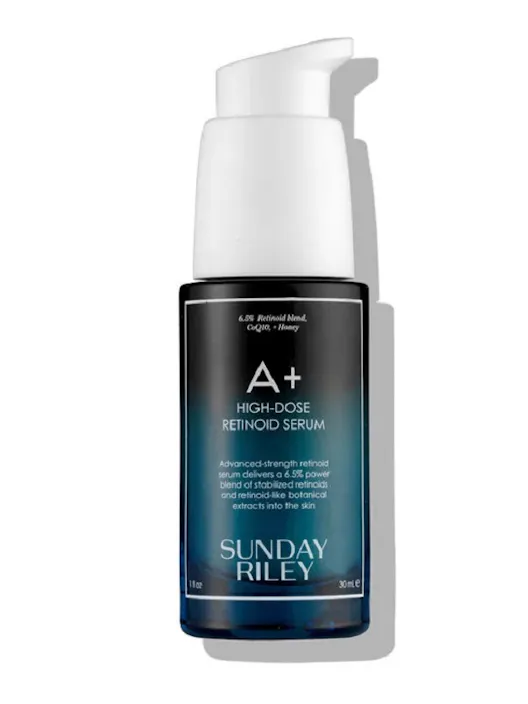
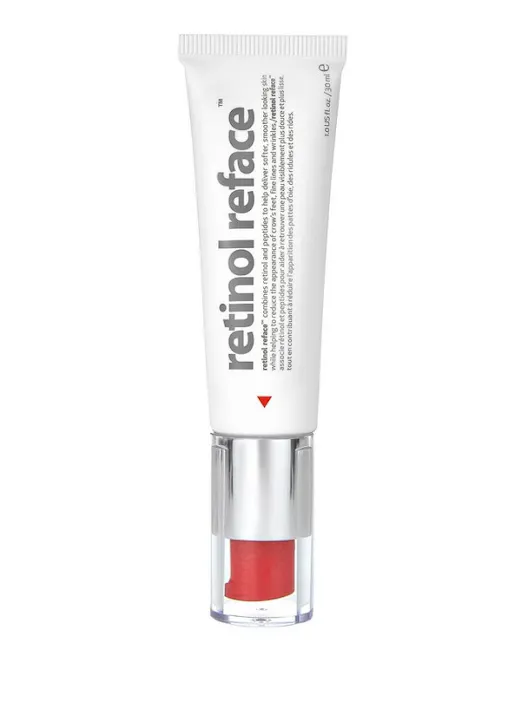
Vitamin A, in its purest form, is known in the beauty world as the anti-ageing powerhouse: retinol. Put simply, it stimulates cells to encourage them to create more elastin and collagen – the body’s two key ingredients for plumper, bouncier looking skin. It is, then, great not just for fine lines, but for hyper pigmentation, acne and large pores too. A few words of warning, we strongly suggest starting easy with retinols. Go for a low concentration and see how your skin responds. You must also always use a broad-spectrum SPF and avoid direct sunlight while using retinols, as they increase the skin’s sensitivity to sun damage.
Vitamin B3
So, from wrinkle zapping Vitamin A (aka Retinol), to protecting and nourishing vitamin E, we have the complete lowdown on the vitamin-infused skincare products to try this autumn – plus check out our demystifying tips on what each powerhouse ingredient can actually do and the ‘skin woes’ they can soothe.
Vitamin A
Vitamin A, in its purest form, is known in the beauty world as the anti-ageing powerhouse: retinol. Put simply, it stimulates cells to encourage them to create more elastin and collagen – the body’s two key ingredients for plumper, bouncier looking skin. It is, then, great not just for fine lines, but for hyper pigmentation, acne and large pores too. A few words of warning, we strongly suggest starting easy with retinols. Go for a low concentration and see how your skin responds. You must also always use a broad-spectrum SPF and avoid direct sunlight while using retinols, as they increase the skin’s sensitivity to sun damage.

Vitamin B3
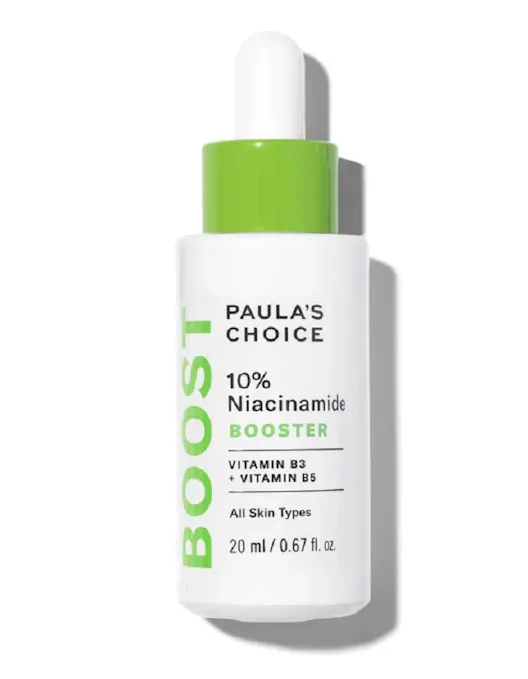
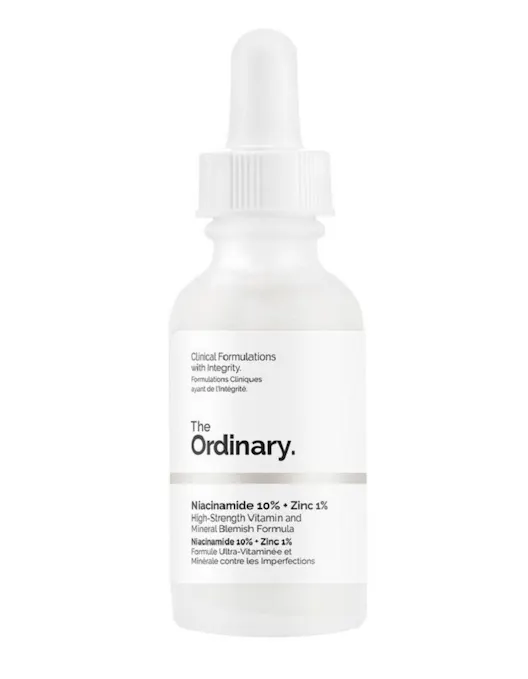
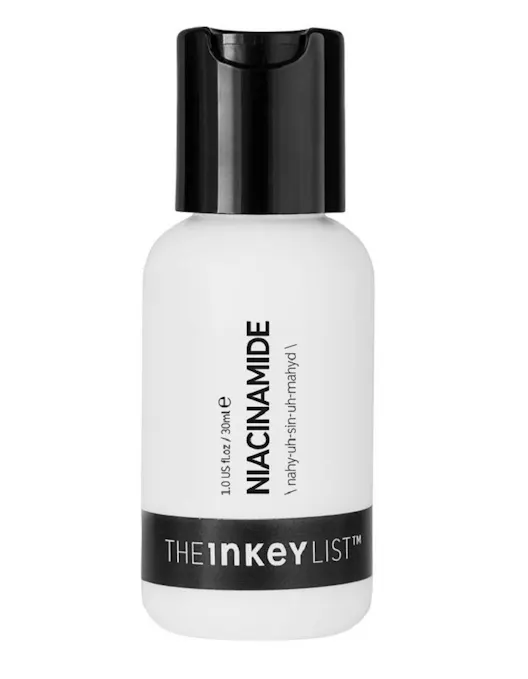
You may have already added glycolic, lactic or salicylic acids to your skincare regime to help refine your skin’s texture – but what about niacinamide, or vitamin B3? A new kid on the block and a favourite amongst singular ingredient brands such as the Inkey List and The Ordinary, niacinamide is effective at reducing excess oil, blemishes and redness, as well as improving the skin’s natural barrier function to help lock in hydration. A great leveller to have in your skincare arsenal for those imbalanced days.
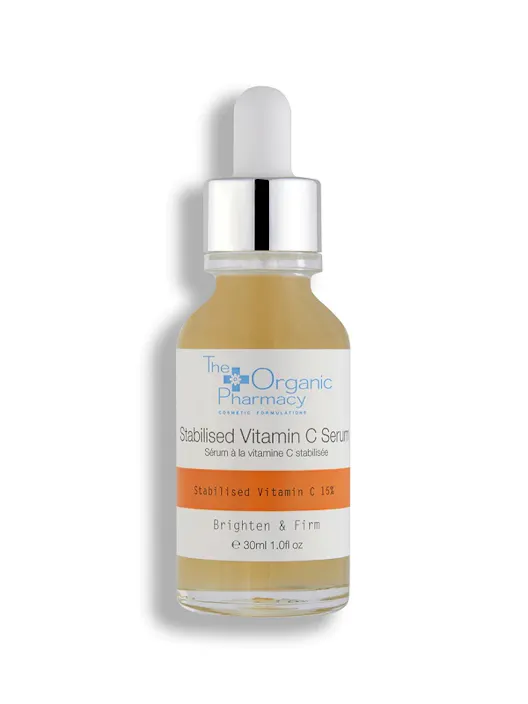
Vitamin C
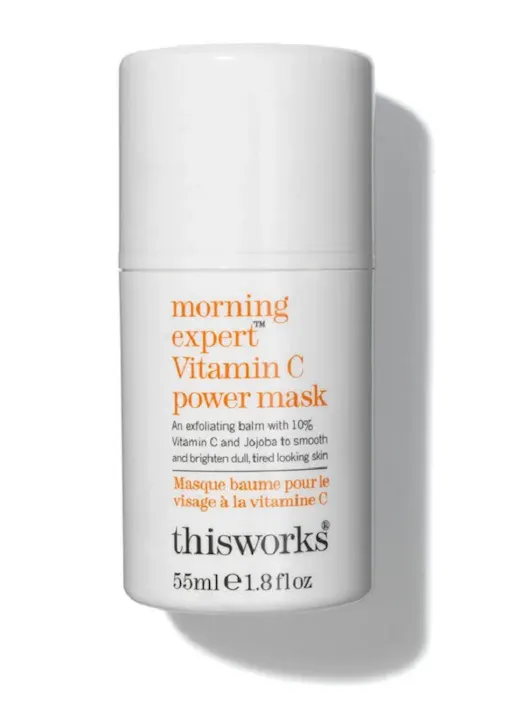
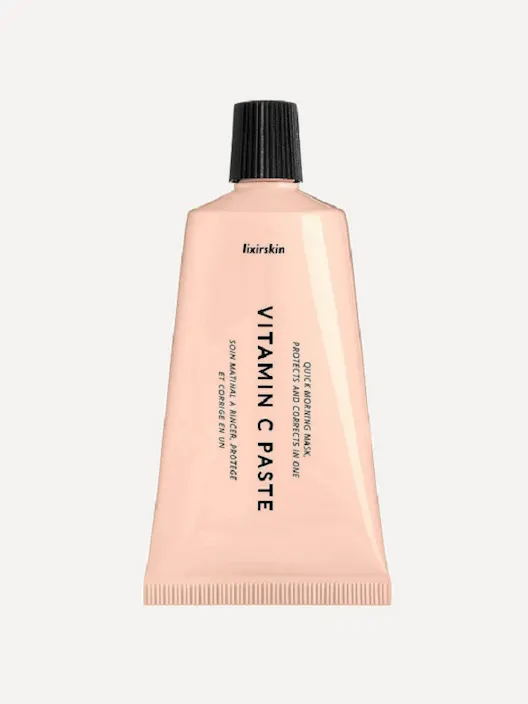
If you add just one vitamin to your skincare routine, vitamin C has to be it. Its potency to strengthen, protect and enhance the skin’s natural radiance is clearly visible, as are its anti-ageing effects. A favourite amongst many cult beauty brands, this wonder vit is a powerful antioxidant; shielding the skin from free-radical damage – aka environmental factors such as pollution, sun damage, smoke and chemical – that are going to stress the skin and cause damage and inflammation in the long-run.
Not only is it a protective barrier, it’s particularly beneficial in winter when skin can appear grey and lacklustre, to bring back glow and brighten skin tone. It can also help with post-summer pigmentation and even acne scarring in teens. A great addition to any skincare regime, whatever your age.
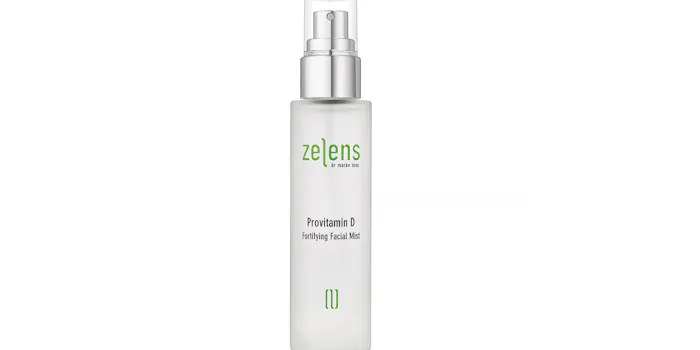
Vitamin D
You’ve probably heard the old wives’ tale about a good dose of sunshine ‘drying up your spots’, but there’s actually some truth in the matter. Vitamin D is, in fact, a great antioxidant and can help calm inflammation – not just your zits, but eczema and dermatitis, too. We don’t recommend self-medicating on lotions and potions to solve a serious skincare complaint without talking to a qualified dermatologist, but getting natural sunlight each day and eating vitamin D-rich foods, or supplementing your diet, could reap skin health benefits.
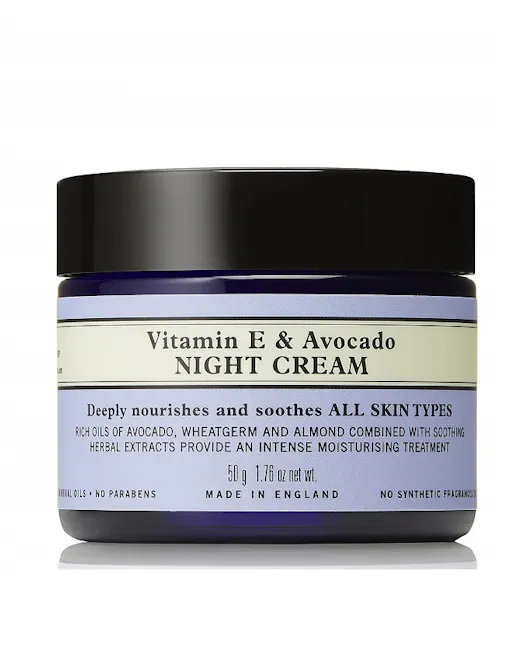
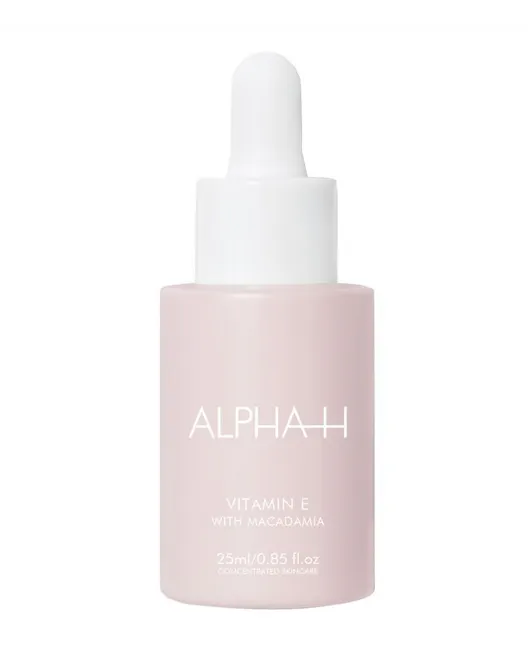
Vitamin E
You’ve probably seen Vitamin E touted as a skincare ingredient for years – and it’s not going anywhere (you might see it listed as tocopherol on your ingredients list). Great for dry, sensitive, unhappy skin, it’s brilliant at softening, calming and hydrating troubled complexions. Not just a skin soother, it acts as a natural shield, batting away life’s ‘agressors’, aka free radicals, which weaken skin’s elasticity and tone over time. Team it with Vitamin C in your daily skincare regime and you’ve got protection AND repair sorted.
By Lydia Mansi
October 2020
READ MORE
7 Must-Know Black-Owned Beauty Brands
LINK NOT FOUND FOR PAGEID: 21606
Cult Beauty Haul: 5 Top New Summer Buys

Lydia Mansi
Lifestyle Editor
Lydia is an all-round lifestyle guru, tireless champion of women in business and our resident expert on beauty.
FIND OUT MORE